Gillnets endanger harbour porpoises of the Baltic Sea
environmentmarine lifemarine conservationoceanendangered species
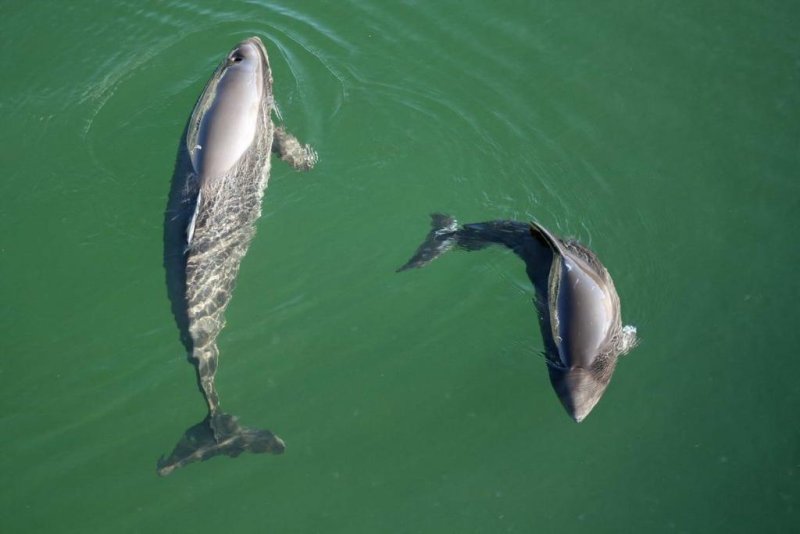
Harbour porpoise mother and calf (c) S.Koschinski
Experts demand strict protection The protection status of the inner Baltic Sea porpoises has recently not been included in the list of migratory species at the highest level in Annex I to the Convention on the conservation of migratory species (CMS); despite a request by the Whale and Dolphin Conservation Society (WDC) and the Coalition Clean Baltic (CCB). The reason is that the Baltic porpoise is not a separate species and thus the German Federal Ministry of Food and Agriculture (BMEL) does not consider it to be particularly worthy of protection. In contrast, the International Commission for the Conservation of Nature (IUCN) rates the Baltic Harbour porpoises as a subpopulation on the Red List as particularly worth protecting and with about 500 remaining animals, threatened with extinction. The autonomy of the population of porpoises of the inner Baltic Sea is clearly demonstrated by recent genetic examinations of the University of Potsdam. When these harbour porpoises have disappeared from the inner Baltic, they are gone forever. They will not be replaced by harbour porpoises in the western Baltic, " says Dr. Harald Benke, director and whale researcher of the German Maritime Museum in Stralsund. There are currently no scientifically proven results suggesting that the porpoise population of the inner Baltic Sea is developing positively. A network of international scientists, with the participation of the German Maritime Museum, has shown that protection is now necessary and comprehensive. The International Whaling Commission (IWC), the largest whale protection and management organ worldwide, has been calling for years for the implementation of the Jastarnia-Plan for the protection of the Baltic porpoise, which specifically aims to reduce bycatch to zero animals " explains Helena Herr from the Center for Natural History of the University of Hamburg. The porpoises of the inner Baltic Sea must be kept from extinction because of the precautionary principle, " says Meike Scheidat from Wageningen Marine Research in the Netherlands. For harbor porpoises in particular bottom-set gillnets are a great danger in which the animals get caught and drown. The currently proposed protective measures are highly questionable as Michael Dähne, curator of marine mammals of the German Maritime Museum explains: "The BMEL recommends the use of warning devices on these networks. These were never tried in the inner Baltic Sea. And due to the threat of extinction of the Baltic harbour porpoises, they can not be tested there either. This method does not help fishermen or porpoises." What is needed is the development of fishing methods with low to zero bycatch and the subsequent promotion of such fishing gear. "The fishermen need a clear message from the ministry that they get support. It's about creating solutions for the future that will help coastal fishermen survive," said Dr. Harald Benke. For the Baltic Sea population, the small scale protection agreement ASCOBANS (CMS) agreed to in 2002 the following principle is most important: even a single bycatch endangers the population and must therefore be avoided. " The Ministry's clear statement that the protection of local inshore fishing is beyond the protection of a CMS-protected species and endangered subpopulation is a direct violation of Germany's international obligations," said Dr. Michael Dähne. "Instead, we need to work together to reduce the risk of gillnets for porpoises, and we're eady to do that. More Information: Deutsches Meeresmuseum Protected area for Harbour Porpoises
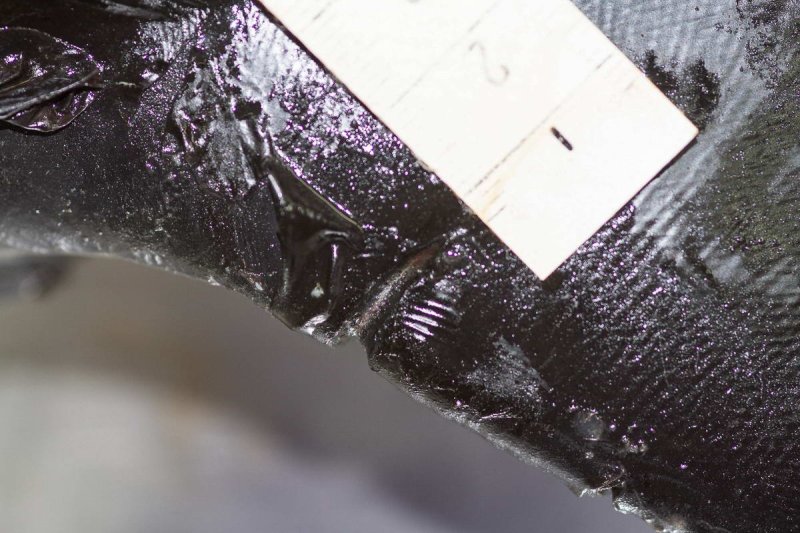
Net marks on the flippers of a porpoise, (c) Dr. med. Michale Dähne / German Maritime Museum
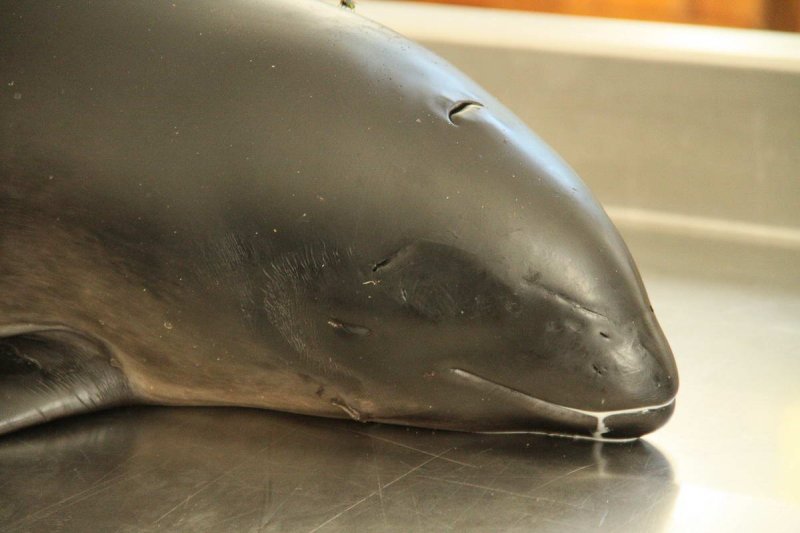
By-catch of a harbour porpoise calf, (c) Dr. med. Michael Dähne / German Maritime Museum
Данная статья была переведена автоматически и может содержать незначительные неточности; в случае сомнений, пожалуйста, обратитесь к оригинальной английской версии.