The Mediterranean Sea: a focal point for plastic pollution
environmentmarine conservationoceanplastic pollutionmediterranean sea
0 views - 0 viewers (visible to dev)
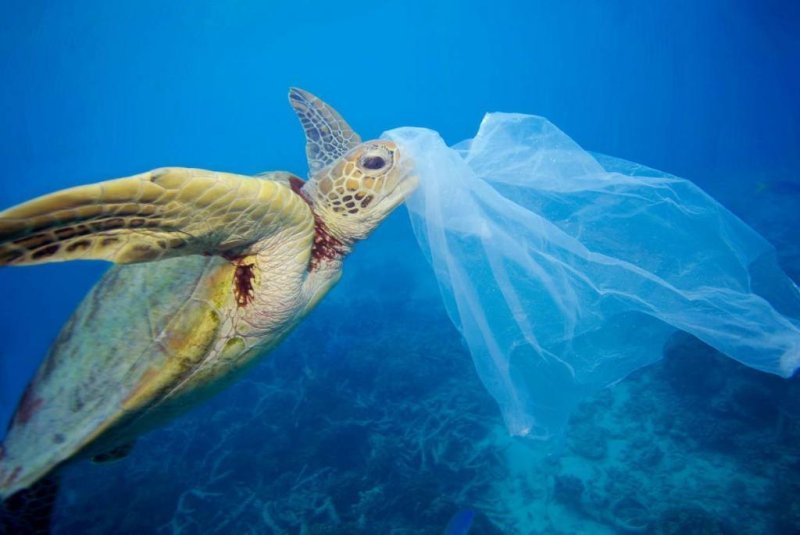
Green sea turtle (Chelonia mydas) with a plastic bag. The bag was removed by the photographer before the turtle had a chance to eat it.
(c) Troy Mayne / WWF
Tourist crowds intensify plastic problem Record volumes of microplastics were detected in the Mediterranean, as revealed by a recent WWF report published at the World Oceans Day on 8 June 2018. The concentration of small plastic particles in the Mediterranean Sea is almost four times higher than that of the "plastic vortex" in the northern Pacific: up to 1.25 million fragments are found per square kilometre. The garbage found in the Mediterranean or on its beaches consists of 95 percent plastic. Most of the plastic waste in the Mediterranean comes from Turkey and Spain, followed by Italy, Egypt and France. The popularity of the Mediterranean as a holiday destination aggravates the garbage problem. During the summer months, the 320 million tourists a year holidaying in the Mediterranean increase the waste load of the sea by 40 percent. The Mediterranean is almost completely surrounded by populated coasts and threatens to become a plastic trap. Unsecured landfills near the sea, illegal waste disposal in rivers as well as tourist activities are sources from which plastic waste reaches the Mediterranean, " says Heike Vesper, Head of Marine Protection at WWF Germany. The main reasons for the plastic pollution of the Mediterranean are the gaps in the waste management of most riparian states. Rivers carry the waste into the sea, especially the Nile, the Ebro, the Rhone, the Po and the Turkish rivers Ceyhan and Seyhan, which flow through densely populated areas before flowing into the Mediterranean. " Europe produces huge amounts of plastic waste and needs to improve its structure for waste management and recycling. The tourism sector is also in demand and should support the development of the infrastructure in the destinations. Hotels and ships must set up effective internal waste collection systems and completely separate the waste. We cannot let the Mediterranean drown in plastic, " says Heike Vesper. " We have to find a global answer to the plastic waste problem. We need a 'Paris Agreement for the Ocean' that stops the pollution of the oceans. In the nature and wildlife of the Mediterranean, plastic waste has already left its mark. 18 percent of tunas and swordfish have plastic in their stomach, especially cellophane and PET. In the Pelagos whale sanctuary in the north-western Mediterranean Sea, the microplastic content is high, over 56 percent of the plankton is heavily polluted. Fin whales that filter water through their baleen are nearly five times more contaminated in the protected area than in less polluted regions. Background: The Mediterranean is considered to be the sixth largest collection area for marine litter: in this sea, consisting of only one percent of the water on earth, are seven percent of the world's microplastics In the Mediterranean, 134 different species are affected by marine plastic waste, including 60 species of fish, all three native sea turtle species, nine seabird species and five marine mammals (sperm whales, finbacks, porpoises, round-headed dolphins and spot dolphins). All sea turtle species living in the Mediterranean have taken up plastics. Up to 150 plastic fragments were found in the stomachs of some animals. The Mediterranean region is home to 150 million people, who, with between 208 and 760 kilograms of waste per person per year are among the world's largest producers of municipal solid waste. Europe is the second largest plastic producer in the world after China. In 2016, the 28 EU states, together with Norway and Switzerland, produced 60 million tonnes of plastic and produced 27 million tonnes of plastic waste. Only 31 percent of this waste was recycled, 27 percent came to landfills, the rest was burned. Link to WWF-Report: www.wwf.de/Mittelmeer-Wege-aus-der-Plastikfalle.pdf See also: World Oceans Day 2018 - In the sign of the plastic garbage.
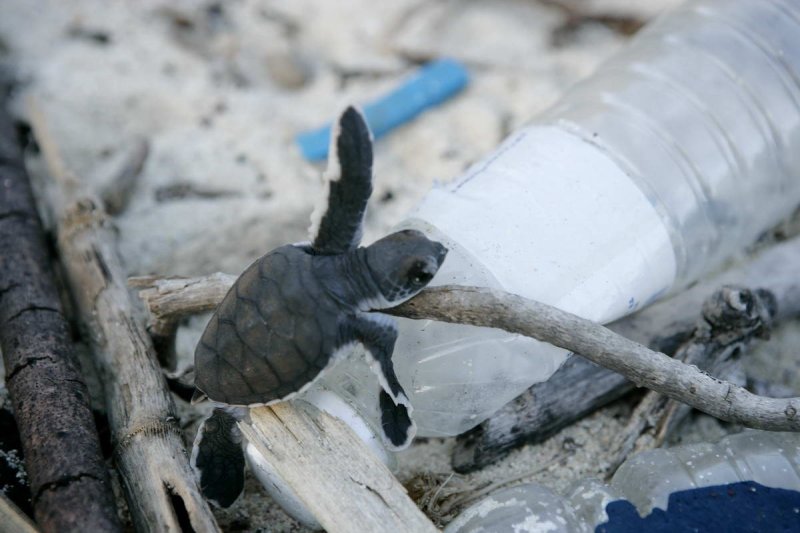
Baby turtles hatch and have to climb over rubbish strewn on the beach.
(c) Brent Stirton / Getty Images
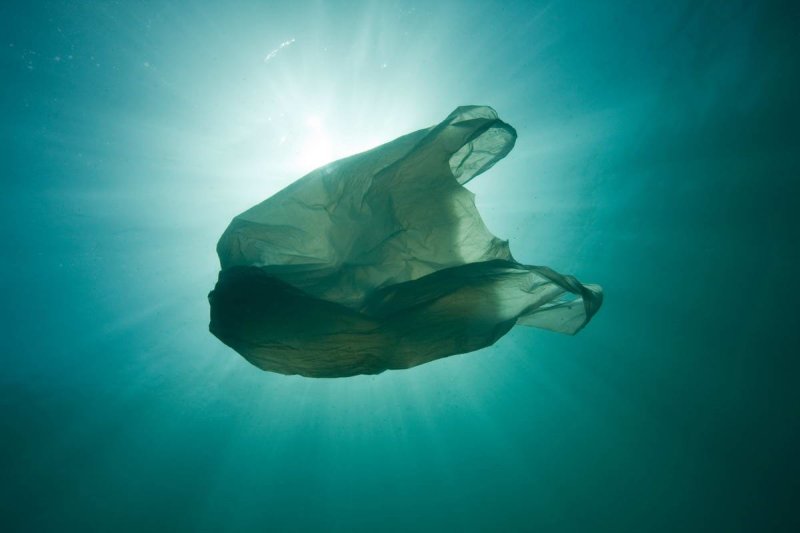
Plastic bag floating in the sea, resembling a jellyfish swimming Dangerous to sea turtles.
(c) naturepl.com / Sue Daly / WWF
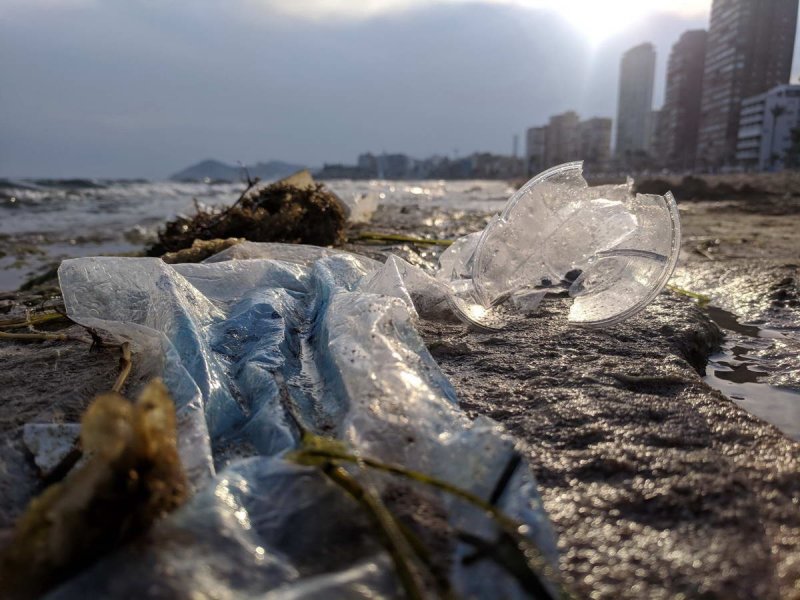
Plastic waste got washed up on the beach
(c) Visual Persistence
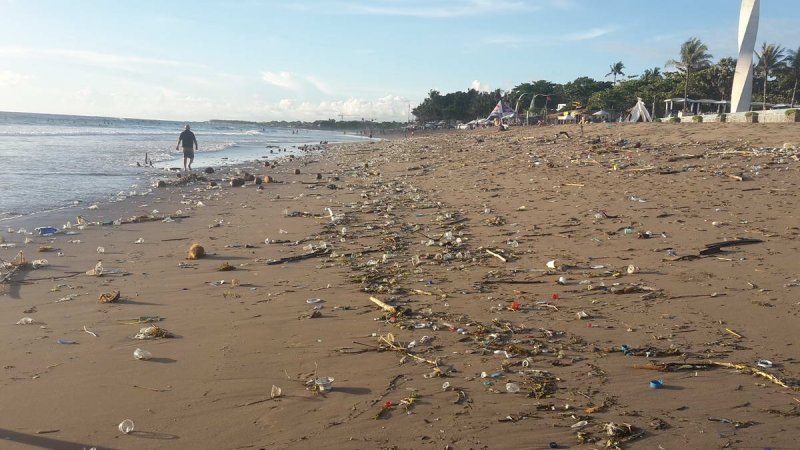
Waste on a beach