Unknown deep-sea sea creatures filmed by researchers
environmentmarine lifeoceanunderwater ecosystem
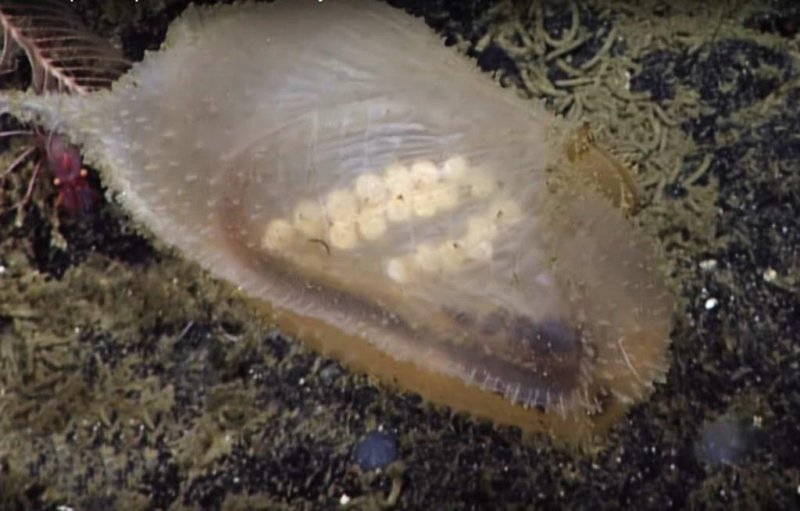
(c) Screenshot Video youtu.be/nPVmKm6cv-k
New species of sea squirts (Ascidiacea) discovered Culeolus barryi is the newly discovered species of sea squirts recently filmed by researchers of the Monterey Bay Aquarium Research Institute (MBARI). These sedentary animals live slightly above the seabed so they can filter food particles from the water flow. They feed by taking in water through a tube, the oral siphon. The water enters the mouth and flows through mucus-covered gill slits into a water chamber called atrium, then exits through the atrial siphon. The new discovered sea squirts where named after Dr. med. James P. Barry, an ecologist who has done a lot to research regarding deep-sea ecosystems. Sea squirts are among the tunicates and occur worldwide from the shallow shelf seas to the deep sea. The species is covered with a quite rigid tunic; the tunic consists of a kind of cellulose. Their interior houses microfilters (a gill intestine), with which they gain nutrients from the water. Sea squirts are simultaneous hermaphrodites which can also reproduce asexually by bud formation. In their development, they go through a larval stage and then finally settle down.
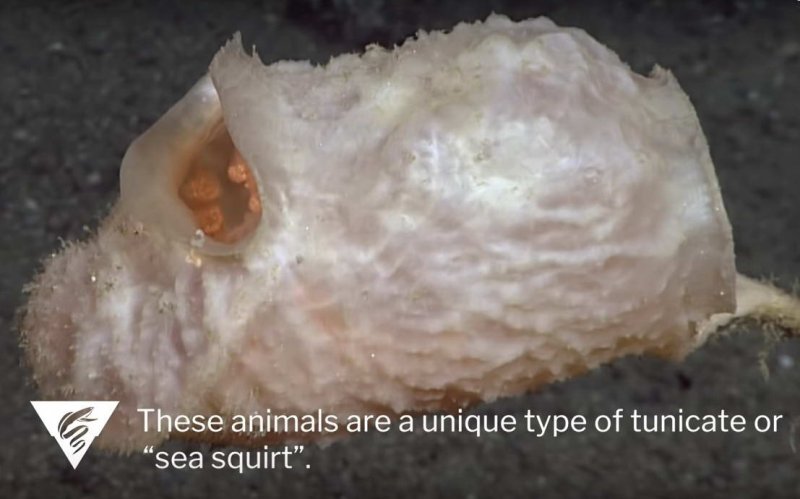
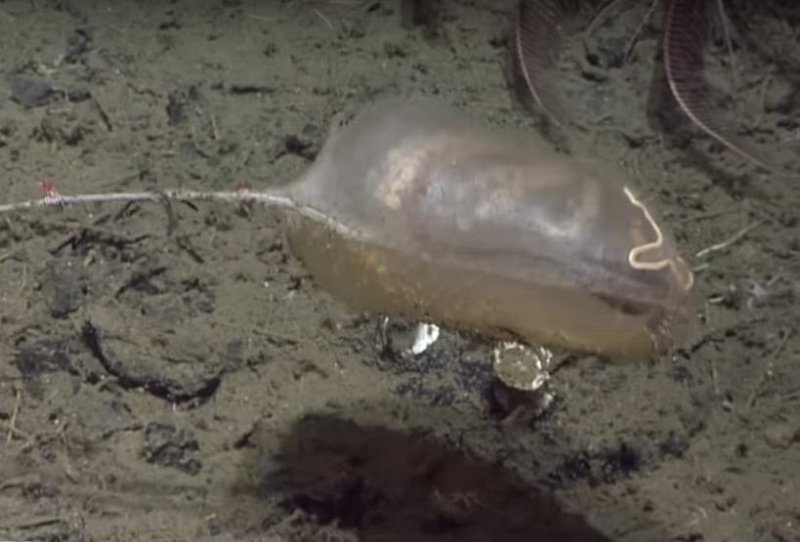
(c) Screenshot Video youtu.be/nPVmKm6cv-k
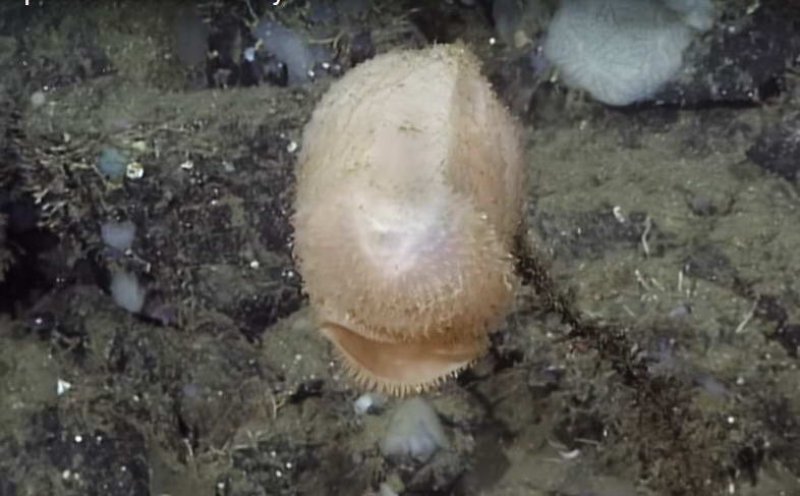
(c) Screenshot Video youtu.be/nPVmKm6cv-k
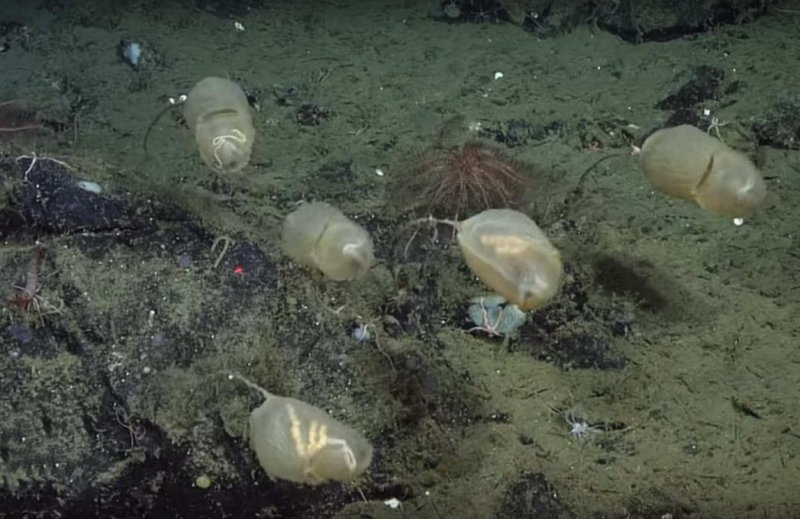
(c) Screenshot Video youtu.be/nPVmKm6cv-k
この記事は自動翻訳されており、多少の不正確な点が含まれている可能性があります。不明な点がある場合は、元の英語版を参照してください。