Ice-free Arctic: Increased shipping carries incalculable environmental risks
environmentmarine conservationclimate changeshippingarctic
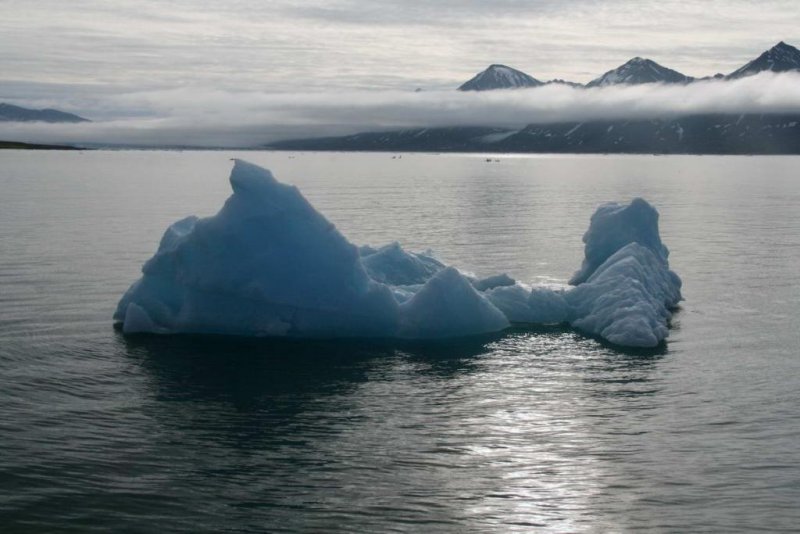
Heavy oil ban in arctic waters is the only effective measure for the protection of the environment In view of the recently documented reduction of ice in the Arctic, environmental association NABU (Nature And Biodiversity Conservation Union) is calling for a ban of heavy oil in Arctic waters. It warns that due to climate change and global warming, more shipping companies may soon use the Northeast Passage, which would lead to incalculable environmental risks. In the event of a disaster like an oil spill, there is no way to stop the spread of heavy oil at these latitudes. The consequences for the region would be devastating.
Moreover, it adds that exhaust emission purification is still lacking. However, ship exhaust gases have severely damaged the marine environment and contributed to the increase in climatic temperatures.
Heavy fuel as a marine fuel is not responsible for the Arctic and for our climate. The International Maritime Organization [IMO] must act as soon as possible and conclude a ban on the Arctic before the maritime run begins. It is only a matter of time before an accident causes irreparable damage. This is not the time to wait, " said NABU's CEO Leif Miller.
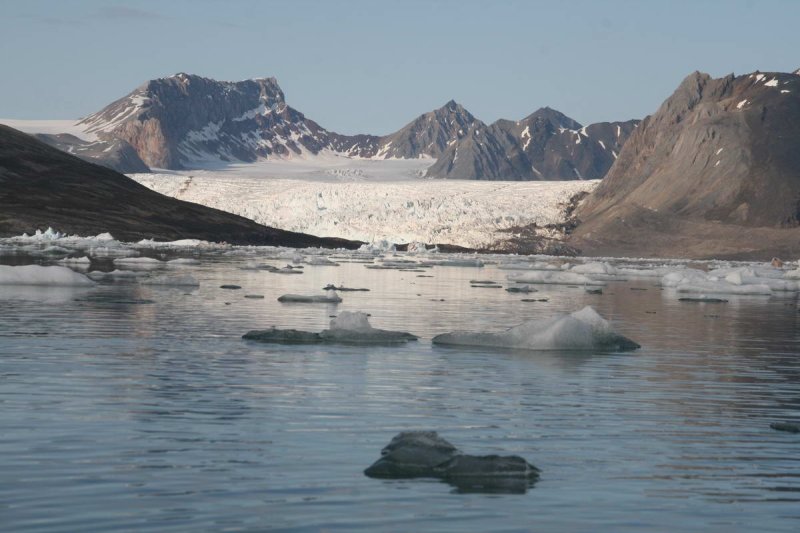
According to current figures from the Alfred Wegener Institute, the ice in the Arctic was reduced by an area about five times the size of Germany, compared to the 1970s and 1980s. For the first time, the Northeast Passage was free of ice and ships have been travelling through it without the need for icebreakers. As a result, NABU fears that this would lead to a significant increase in ship traffic, as shipowners using that route can cut travel time from Asia to Europe from 24 to 14 days. However, an increase in shipping would further exacerbate the soot problem in the Arctic and speed up the melting of ice.
Dietmar Oeliger, Head of Transport Policy, said, " Burning heavy fuel releases considerable amounts of soot. Soot is the number two cause of climate change after carbon dioxide. It deposits itself on the ice surfaces of the Arctic, creating a gray veil, which heats up the environment and further melts the Arctic ice. This vicious circle must be broken. We urgently need a switch to cleaner fuel alternatives and the mandatory use of exhaust technology. IMO, the international maritime organization, is obliged to adopt appropriate regulations. "
The NABU is working together with 15 other NGOs in the Clean Arctic Alliance to bring about a heavy oil ban in the Arctic from the year 2020 onwards. In Antarctica, the Polar Code and thus a prohibition for ships to use or carry heavy fuel as a fuel has been in force since the beginning of 2017.
この記事は自動翻訳されており、多少の不正確な点が含まれている可能性があります。不明な点がある場合は、元の英語版を参照してください。