Greenpeace finds farmed fish like salmon and trout to be contaminated with pesticides
environmentgreenpeaceaquaculturepesticidescontamination
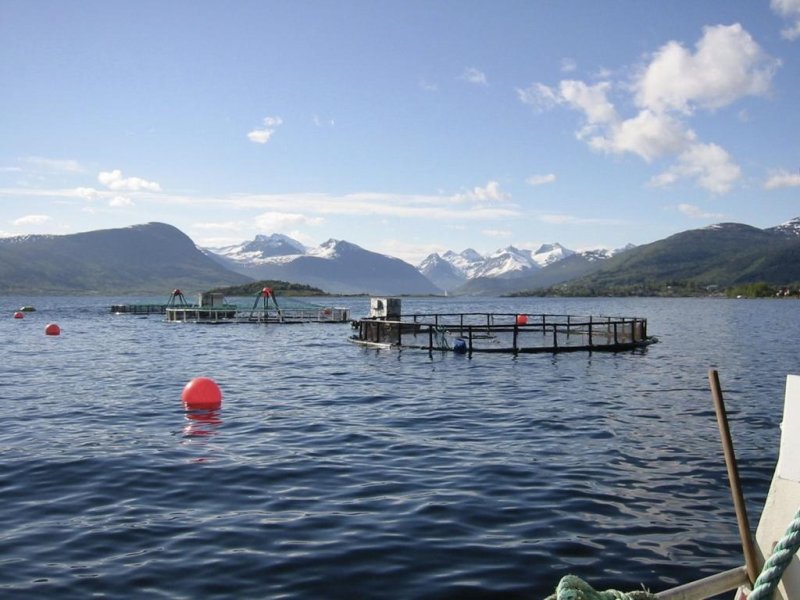
Fishfarm in Norway (c) Jo Benn, WWF
Farmed fish is heavily contaminated with the chemical ethoxyquin,
according to a laboratory study carried out by Greenpeace on fish
products like salmon, trout, sea bream and seabass. Ethoxyquin is used to make animal feed more durable for transport. As a
pesticide, the European Commission did not approve the active substance
in 2011 due to "a number of concerns." For many food items like meat,
the maximum amount that is legally permitted is 50 microgrammes per
kilogramme (50 μg / kg). However, more than 17 times this amount has
been found in the most contaminated sample.
According to toxicologists, ingesting ethoxyquin at this level is not
harmful to health, but such claims lack the reassurance of long-term
studies. "Ethoxyquin is a banned pesticide and is not naturally found
in fish at all," said Thilo Maack, a fisheries expert at Greenpeace.
" It is negligent that this chemical would find its way into the
environment and onto the plates of consumers. "
Greenpeace is calling for an EU-wide ban on the use of ethoxyquine as a
feed additive, as well as a halt to the sale of fish products for
consumption if they are above this limit. Affected traders have been
informed of the laboratory results and the required stoppage of sales.
A total of 54 fish products was tested for ethoxyquin. All the 38 fish
samples from conventional aquaculture were found to be contaminated. Of
these, 32 were clearly above the limit for meat (50 μg / kg). At 881 μg
/ kg, the highest amount of ethoxyquine was discovered in a salmon
product from Norwegian aquaculture (smoked salmon) which exceeded the
limits for meat by more than 17 times. Fish samples from organic
aquaculture are below the limits for meat, with one exception - organic
salmon fillet from the supermarket Edeka, which was 155 μg / kg).
Ethoxyquin is usually not found in organic food. However, it may be
present in other substances that are added to the animal feed. No
ethoxyquin was detected in wild catches since they do not consume any
animal feed. The fish samples are from German supermarkets and organic
markets. The study looked at frozen fish as well as smoked and fresh
fish from conventional aquaculture, organic aquaculture and the wild.
This is not the first time that fish from aquaculture has made the
news. Last year, we reported in detail about the pressures of farmed
salmon.
See here for the results of the Greenpeace analysis in detail
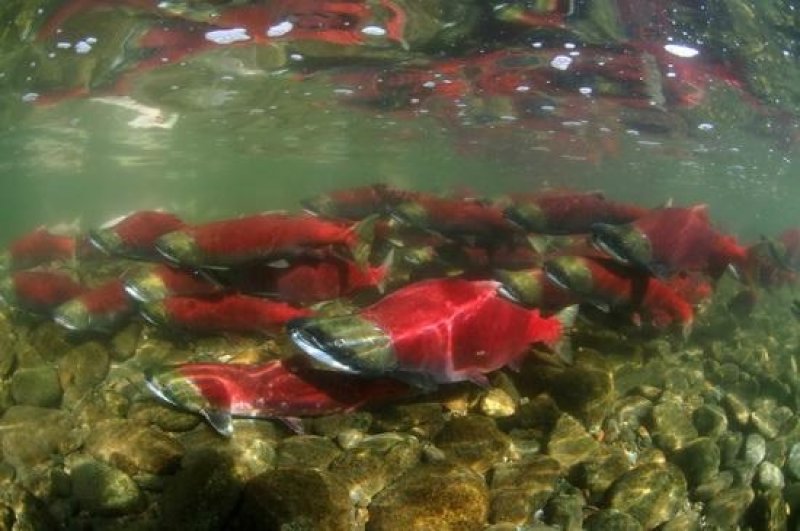
Natural Salmon, Alaska (c) Werner Thiele, SWAT Team
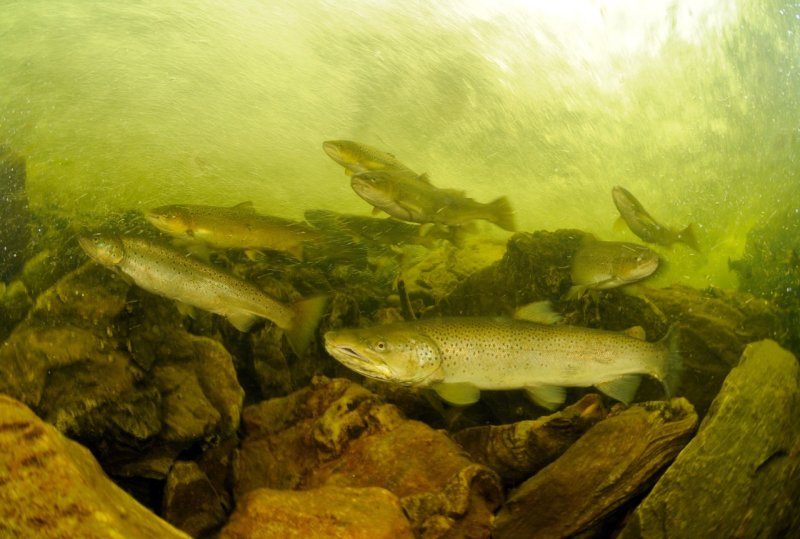
Natural Salmon, Norway (c) Sven Gust
Este artigo foi traduzido automaticamente e pode conter pequenas imprecisões; em caso de dúvida, consulte a versão original em Inglês.