FAO report highlights overfishing in the oceans
environmentmarine conservationoceanoverfishingfish stocks
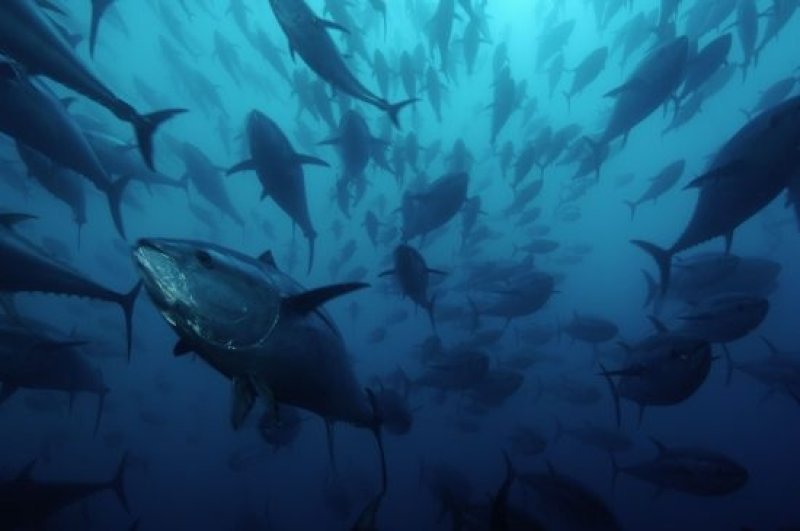
Bluefin tuna: Tuna worldwide are under much pressure from overfishing. (c) Brian J. Skerry / National Geographic Stock WWF
More than 30 percent of fish stocks being overfished
A report published on July 7th in Rome by the FAO highlights some alarming figures: 31.4 percent of fish stocks are currently overfished, 58.1 percent are stretched to their biological limits, and only 10.5 per cent are being fished at a moderate rate.
"The fight against overfishing in the oceans seems to be extremely unsuccessful. The delicate recovery in recent years has been nullified. The exploitation of the fishing industry threatens the food security of people in developing and emerging countries, and puts the ocean's health at risk. A sustainable and fair fisheries industry needs decisive action," said Karoline Schacht, a fisheries expert at the WWF.
Although many tuna stocks have been overfished for years, worldwide catches have risen to a record high of 7.7 million tonnes. This is an increase of 15 percent in just four years, which is hardly sustainable. For the first time, Alaska pollock is the most caught fish in the world (3.2 million tonnes), displacing the Peruvian anchovy from the top spot. "Peruvian anchovy, the former champion, is now a thing of the past, with its stocks having plummeted by nearly half. This has serious consequences for the people of Peru, where this fish is regarded as their basic necessity." On a global scale, these anchovies are mainly processed into fish food and fish oil for aquaculture.
The WWF views this development with concern. "Worldwide, more and more people depend on fish as a main nutritional component. With shrinking fish stocks and a growing world population, the developing countries that are especially reliant on fish for food will have much problems," said Schacht. From a total of 49 states that are considered particularly "fish dependent", 46 of them are located in the tropical latitudes. If the fish population there shrinks or is depleted, there is an increased health risk caused by malnutrition. For about three billion people, fish constitutes 20 percent of the animal protein in their diet.
This situation does not exist in Germany. Here, Germans consume up to 160 percent of the recommended protein intake. "At our fish counters, the fish sold comes from all over the world. We have a responsibility to the seas and to the people whose livelihoods depend on the sea. By buying fish from sustainable fisheries, we take a stand as responsible consumers," said Schacht.
The new report comprises not only data from marine fisheries but also insights into global aquaculture. Today, every other fish that is consumed comes from a commercial facility. However, this is not surprising since aquaculture has been the fastest growing branch in the global food industry for decades, which has facilitated the rapidly rising demand for fish for the growing world population. This comes in the form of the 81.5 million tonnes supplied globally by marine fisheries, after having stagnated for nearly 30 years.
The WWF recommends to consumers in Germany that they consume more regional species like herring and sprat from the North Sea and Baltic Sea, and to ensure the sustainability and organic certification of the seafood on their plates. They can do this by reviewing the fish species on the WWF’s fish guide app ( http://www.wwf.de/aktiv-werden/tipps-fuer-den-
alltag/vernuenftig-einkaufen/einkaufsratgeber-fisch/ ).
Link to FAO report (PDF file): http://www.fao.org/3/a-i5555e.pdf
Further information: www.wwf.de
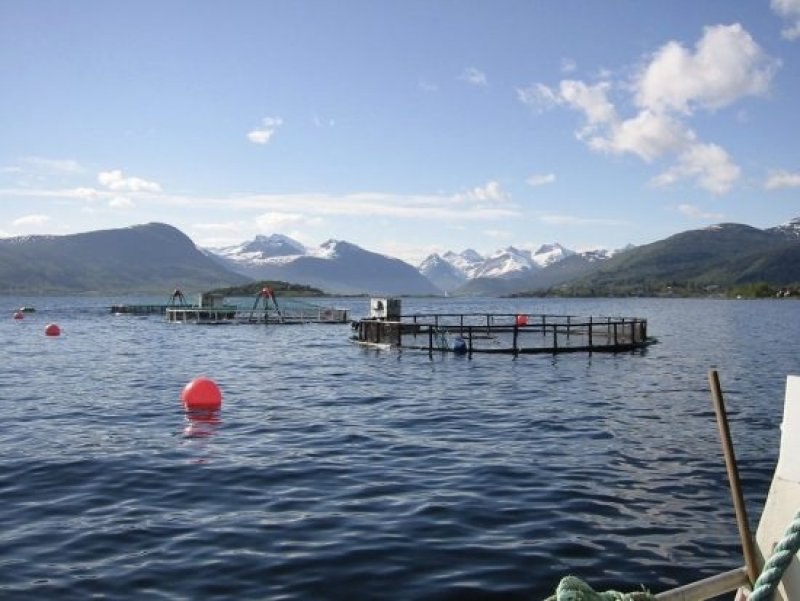
Salmon farm in Norway: Every other fish consumed today comes from aquaculture. (c) Jo Benn / WWF Canon
Este artigo foi traduzido automaticamente e pode conter pequenas imprecisões; em caso de dúvida, consulte a versão original em Inglês.