Entire life cycle of plastics is a threat to human health
environmentmarine conservationplastic pollutiongreenpeacehuman health
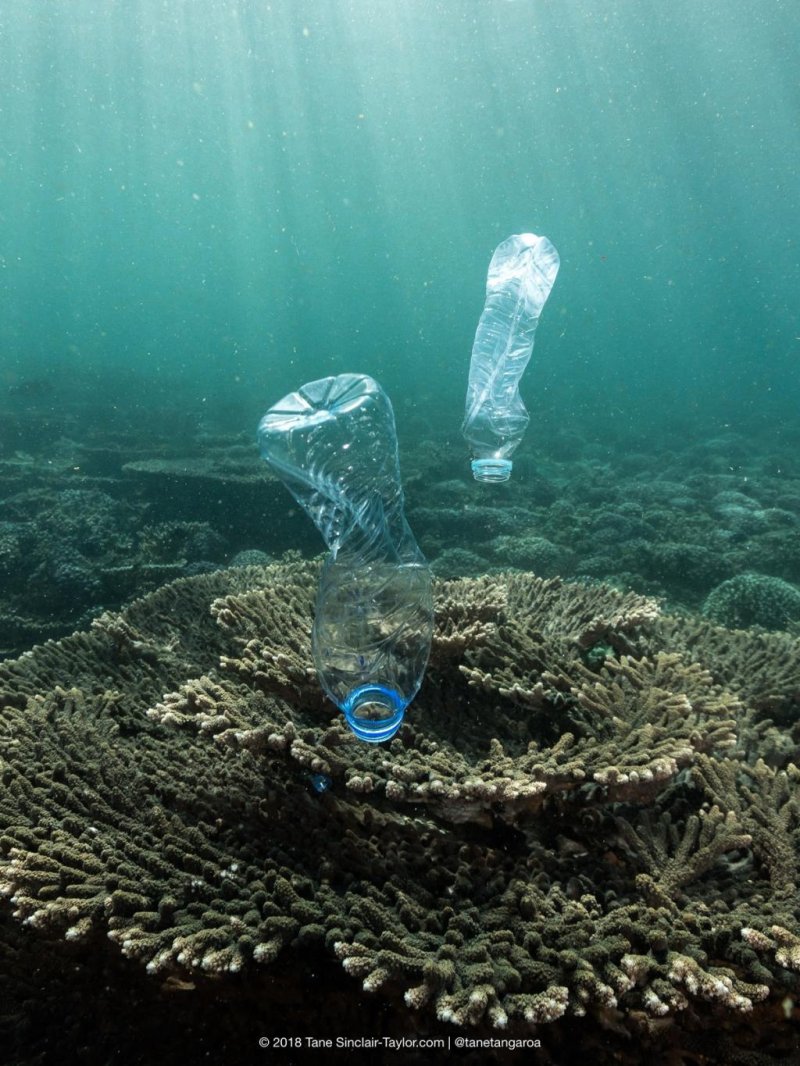
Plastic litter is everywhere (c) Tane Sinclair-Taylor
Greenpeace: departure from disposable plastic now!
A new report from the Center for International Environ mental Law (CIEL) - Center for International Environmental Law - examines the health implications of plastics at every stage of their supply chain and lifecycle, and concludes that there is an urgent need to adopt a preventive approach to health To protect humanity from the crisis of plastic pollution: Plastics pose distinct risks to human health at every stage of their lifecycle!
The main findings of the report:
- Plastics pose a significant risk to human health at every stage of their life cycle, resulting from harmful chemicals released during extraction and production, from exposure to chemical additives during use and from pollution of the environment and the environment our food, which can be produced when plastics enter the waste stream.
Microplastic particles, such as fragments and fibers, may enter the body by contact, ingestion or inhalation and may increase due to their small size and ability to penetrate tissue and cells, as well as the complex stresses imposed by the chemicals they can carry contribute to a variety of health effects.
- Uncertainties and knowledge gaps, including an extreme lack of transparency, undermine the full assessment of health impacts and prevent consumers, organizations and regulators from making informed choices.
Grapp Forbes, Greenpeace Global Plastics Project Leader, says: "The health risks of plastic pollution have been ignored for far too long and must be central to all decisions about the future development of plastics. Businesses and governments are risking our health to maintain the status quo and channel profits. Not only our oceans and marine animals suffer from this dependence on plastics, but all of us. Although there is much to learn about all the effects of plastics on human health, we know enough to apply a precautionary principle and begin to eliminate these disposable plastics forever. Plastics harm or kill animals around the world, contribute to climate change, and rely on fossil fuels to get into our air, water, and food. They endanger human health throughout their life cycle. Businesses need to reduce the production of disposable plastics immediately and move towards systems for refilling and reuse. "
More information: www.ciel.org/plasticandhealth.

Debris lining the beach in Sulawesi Indonesia (c) Dr Joleah Lamb
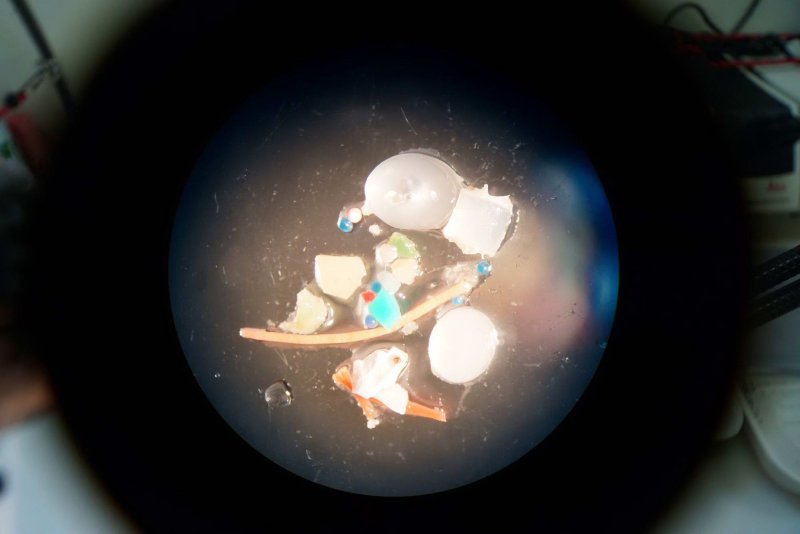
Microplastic (c) Martin Löder
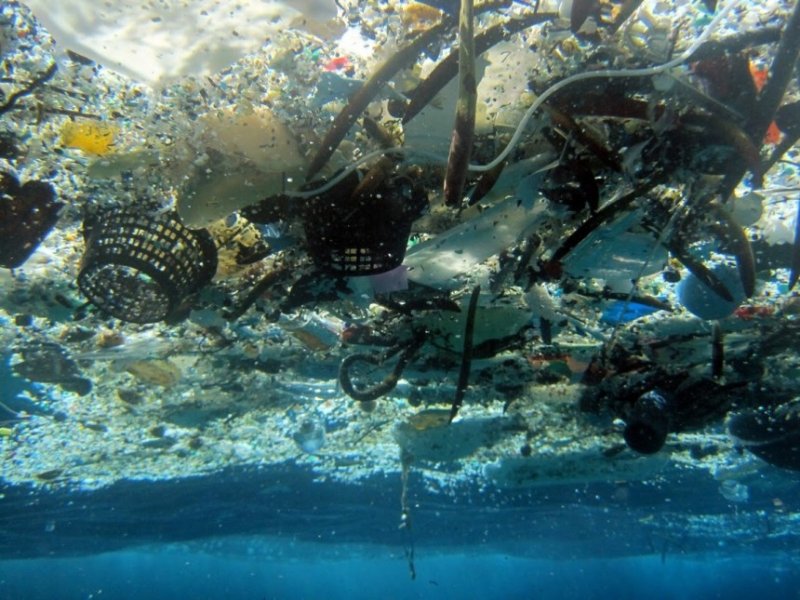
Plastic litter (c) NOAA
Este artigo foi traduzido automaticamente e pode conter pequenas imprecisões; em caso de dúvida, consulte a versão original em Inglês.