Scientists discover spawning ground of Pacific eels
environmentmarine lifeoceanmigrationzoology
To learn more about the migration and spawning grounds of eels in the Pacific (specifically those in Vanuatu in the South Pacific), zoologist Robert Schabetsberger from the University of Salzburg used transmitters to track the eels’ journey from their freshwater homes to their spawning grounds in the open seas.
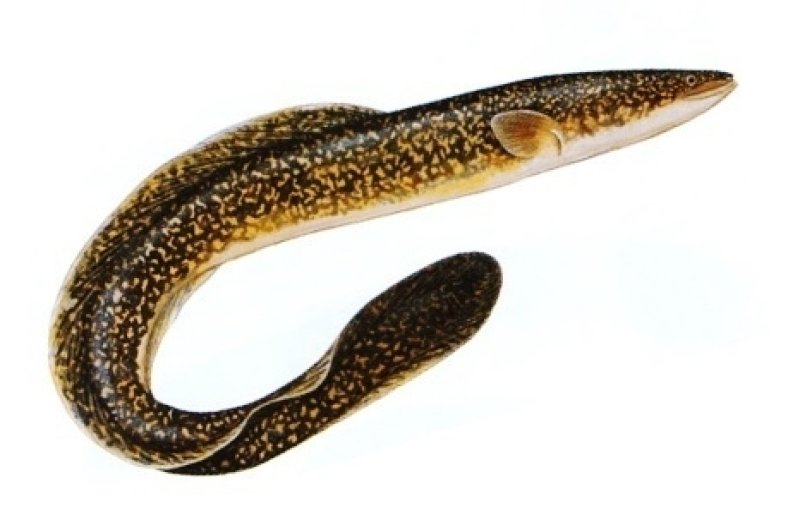
The Polynesian longfinned eel (Anguilla megastoma) and giant mottled eel (Anguilla marmorata), both tropical eel species, live in Lake Letas, a crater lake on the south pacific island Gaua in Vanuatu. The lake has an abundant population of shrimp. The eels consume the shrimp heartily to fuel themselves up for the long journey to the spawning grounds in the open seas. And it’s not an easy journey. To reach the spawning grounds, the eels have to plummet down a 120-foot waterfall and then swim through a raging river. Once they reach the open seas, they will stop eating for the rest of their journey. At the beginning of the eels’ journey, at the mouth of the freshwater river, Schabetsberger and his colleagues selected adult eels that were larger than 1.3 metres and weighing about six kilogram’s. These eels had small transmitters (the size of table tennis balls) attached to their backs, using surgical wires. Satellites would use these devices to track the eels over the next several months. The data received revealed that the eels spent their days and nights in different environments. During the day, they swam in waters at depths of 800 metres and five degrees Celcius, while at night; they were at 200 metres deep and in waters around 23 degrees Celsius.
When the eels reached the spawning grounds, they had carried the transmitters as far as 850 km northwest of the freshwater river where they had begun their journey.
Then, after the spawning period, the larvae would instinctively swim back to the oceans where their parents had lived; a journey that would take them more than half a year. In the space of six to twelve months, the youngsters return to islands like Gaua in a journey that appears insurmountable, what with a 120-metre waterfall separating them from their destination. However, researchers were able to film for the first time the young eels as they climbed up the steep cliffs beside the waterfall. Reference
Artikel ini diterjemahkan secara otomatis dan mungkin mengandung sedikit ketidakakuratan; silakan merujuk ke versi bahasa Inggris aslinya jika ragu.