WWF appeals against MSC certification of tuna fisheries
environmentmarine conservationoceansustainabilitywwf
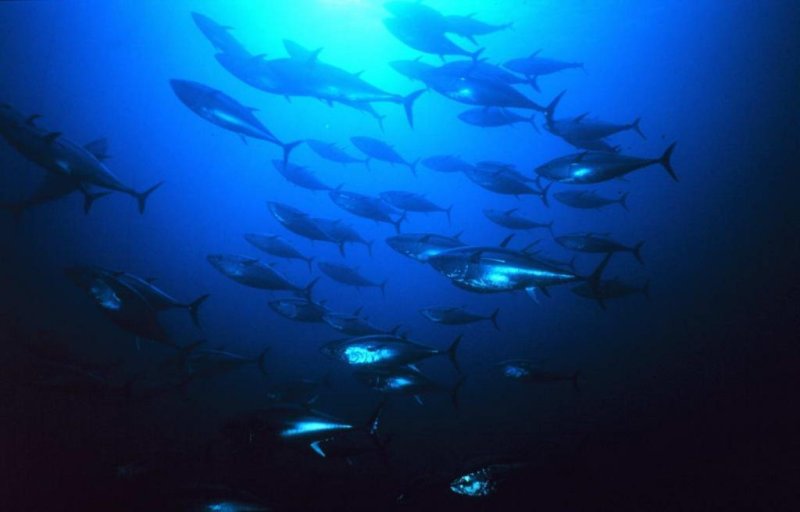
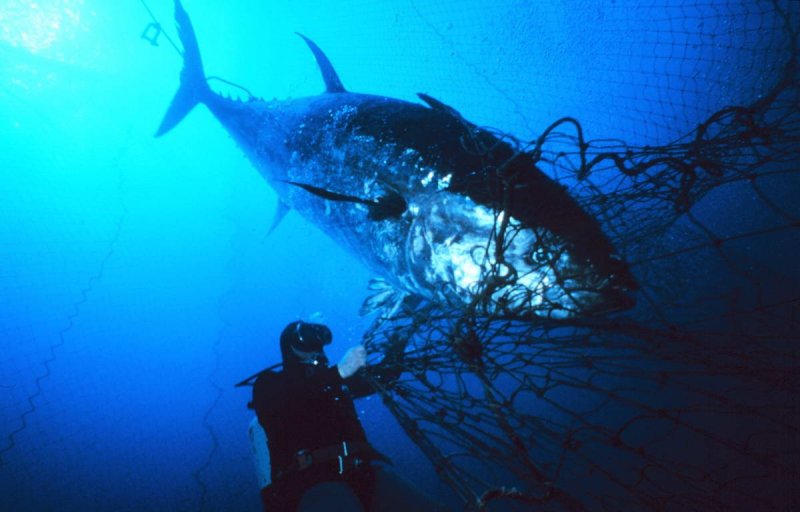
Efficient fishing method leads to massive bycatch of juvenile fish and sharks Tuna is a difficult case for green consumers - too many stocks are over-exploited or fishing practices are damaging the marine environment. The WWF has now formally objected to the upcoming MSC certification of another tuna fishery. Specifically, it is about the company Echebastar from Spain, which catches tuna in the Indian Ocean. In this industrial fishery for skipjack tuna (Katsuwonus pelamis), by-catch is a huge problem: more than 50% of the total catch is too young yellowfin tuna from an overfished stock, with about 4,000 silky sharks per year dying in the nets of this fishery. For the first time, a fishery that works with so-called FADs (fish aggregating device) is to be certified according to MSC rules. Tuna of different species, but also sharks, turtles and many other sea creatures gather under specially designed, floating objects, which fishermen then encase in a large net. This way you can catch large quantities of tuna in a short time, but with too high by-catch rates. "Because of their impact on the marine environment, we consider this tuna fishery not currently certifiable. Yellowfin tuna ends up as a bycatch in the net, which further weakens the already overfished population. First, shortcomings in management and insufficient control of yellowfin tuna fisheries in the Indian Ocean must be addressed. Because this highly efficient, industrial fishing method of echebastar fishing would at least have to be balanced by effective fishery management, "said Heike Vesper, Head of Marine Protection at WWF Germany. "The WWF is concerned because fisheries are being certified with a simplified MSC scheme that does not do justice to the complexity of the fishery." The MSC should be careful to ensure that its standard is strictly implemented and its promise of sustainability is maintained. Making the industrial fisheries for tuna in the Indian Ocean more environmentally friendly is a tedious and tough task. The WWF has been working together with several fisheries and the responsible regional fisheries administration for years to improve.
Данная статья была переведена автоматически и может содержать незначительные неточности; в случае сомнений, пожалуйста, обратитесь к оригинальной английской версии.