Greenpeace expedition proves marine species worthy of protection in the Antarctic
environmentmarine lifemarine conservationcoral reefocean
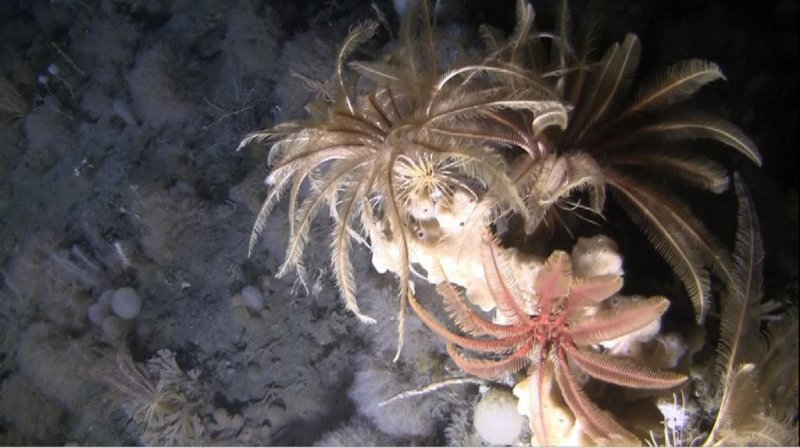
Submarine Image of the Seabed in the Antarctic. © Greenpeace
Oscar winner Javier Bardem calls for Antarctic marine reserve Up until now unexplored parts of the Antarctic seabed harbour sensitive and thus valuable ecosystems with marine animals such as sponges, corals and sea feathers This is shown by images that Greenpeace experts have made in recent weeks from a manned submarine at depths of several hundred meters in the Antarctic Ocean. The data is intended to support an EU application initiated by the German government to set up the world's largest marine protected area in the Weddell Sea. In October 2018, the Antarctic Commission CCAMLR (Commission for the Conservation of Antarctic Marine Living Resources) will decide on the application. "These images underscore the importance of protected areas in the Antarctic," says Greenpeace marine expert. Sandra Schöttner, who was on board as a scientist. " The federal government must help its own claim to success by advocating international protection of the protected area directly with the blocking states. On board the Greenpeace expedition ship "Arctic Sunrise" was also the Spanish actor Javier Bardem. The Oscar winner is committed to protecting this valuable and sensitive ecosystem from damage caused by human intervention. " There is so much life on the ocean floor. I would not have expected that in these waters. This biodiversity must be protected. Delicate ecosystems on the seabed The research team under the direction of the seabed ecologist and Antarctic Expert Dr. med. Susanne Lockhart, California Academy of Sciences, investigated the ocean floor in the northern part of the Weddell Sea and west of the Antarctic Peninsula - we reported on the expedition's launch ( https://blog.mares.com/greenpeace-travels-to-unexplored-parts-of-the-antarctic-6403.html ). For this, the team collected high-resolution video data during eight dives and took samples that will be evaluated within the next few months. The habitat structure and marine fauna suggest so-called Vulnerable Marine Ecosystems (VMEs), particularly sensitive marine ecosystems. There is an unusually high number of characteristic marine invertebrates - whose abundance of species is hardly inferior to tropical coral reefs. Many of these species form complex, three-dimensional structures on the seabed. They thus provide habitat and protection for numerous other species, such as Antarctic ice fish. Such densely populated, slow-growing communities are considered to be particularly sensitive to human intervention, such as industrial fishing.
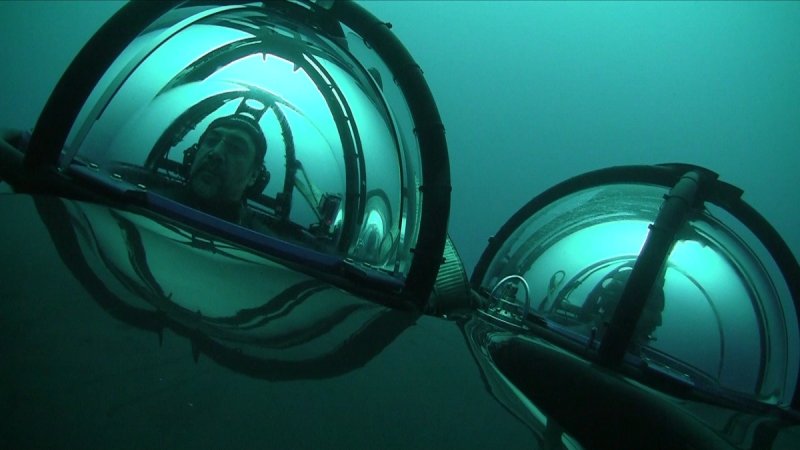
Javier Bardem in Greenpeace Submarine. © Greenpeace
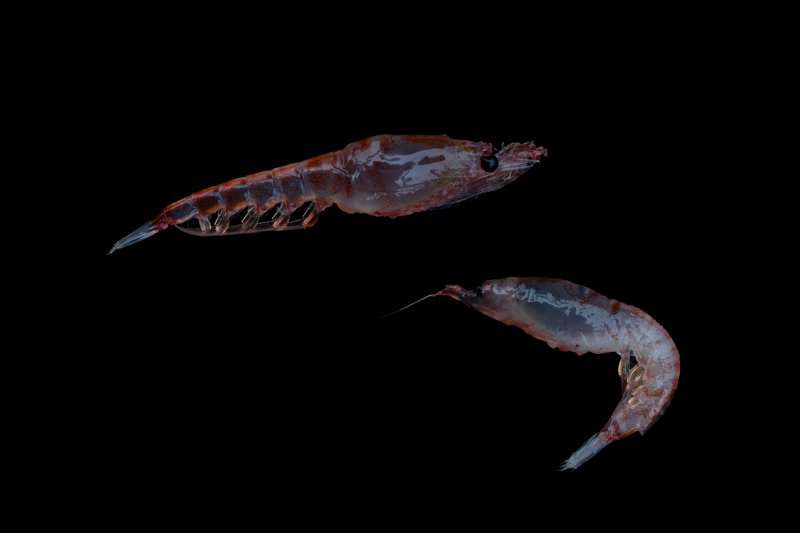
Krill in the Antarctic: Krill, Euphausia superba, represent a critical component of the Antarctic food web, providing food for fish, whales, seals, penguins, albatross and other seabirds, as well as marine invertebrates. © Christian Åslund / Greenpeace
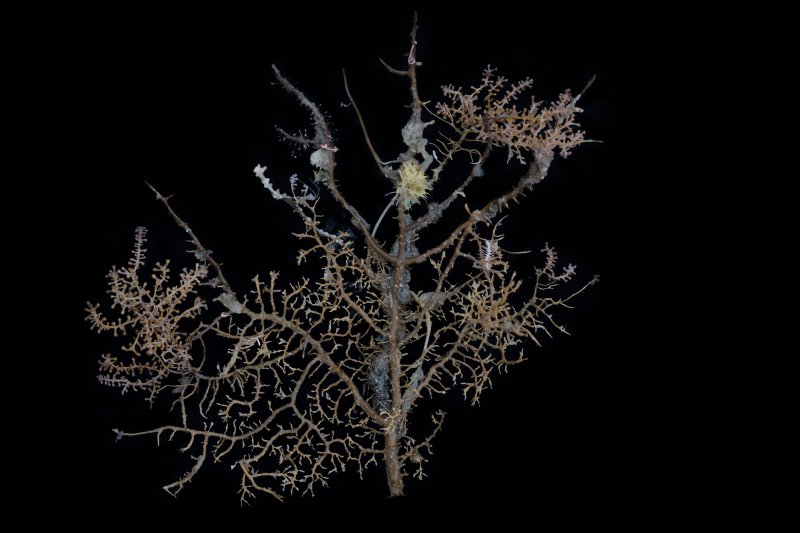
Gorgonian Coral Skeleton in the Antarctic:
An Acanthogorgia gorgonian coral skeleton provides substrate and habitat for many other species including a white Clavularia stoloned octocoral, antarcturid isopods (crustaceans), demosponges hexactinellid glass sponges and tube-dwelling polychaete worms. © Christian Åslund
Данная статья была переведена автоматически и может содержать незначительные неточности; в случае сомнений, пожалуйста, обратитесь к оригинальной английской версии.