Russia forbids catches of orcas and belugas
environmentmarine conservationorcasrussiabelugas
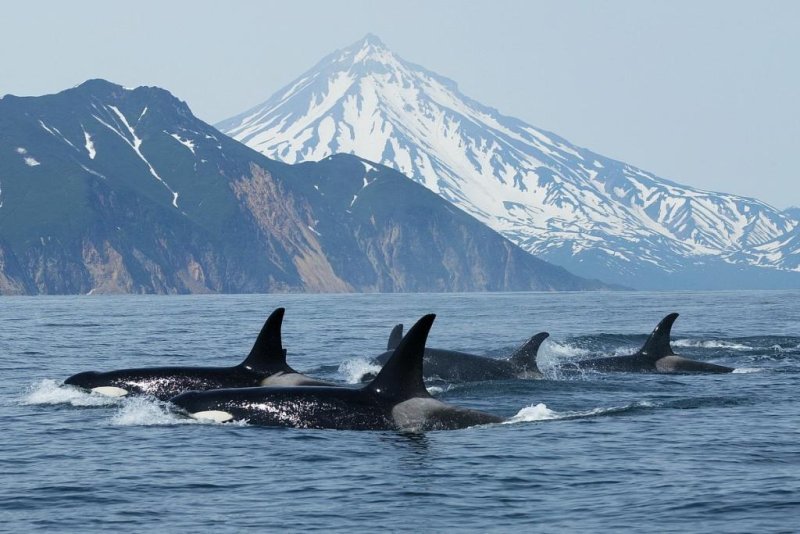
Orcas in Russia (c) FEROP
Captured whales were sold to dolphinariums Russia is the only country that catches orcas and belugas for the "dolphinarium industry". Now the catches could be history: in 2019, no whales should be allowed to be caught in the Okhotsk Sea. The responsible expert group opposed the renewal of the quotas. The Whale and Dolphin Conservation Organization (WDC) has been fighting against the gruesome catching actions for years and considers their attitude to be a success in 2019. "We are relieved that the cruel hunt for orcas and belugas is a thing of the past," said David Pfender, marine biologist at WDC. "These intelligent and social whales have been snatched from their natural habitat to perform shows in dolphinariums under dreadful conditions. Above all, exports to China have steadily increased in recent years, because the ‘dolphinarium industry’ is booming there." Eleven orcas and up to 90 belugas were discovered in November 2018 in tiny basins in Russia. The pools were rented by four companies that had already exported 15 orcas to China between 2013 and 2016. The fate of the recently caught whales is currently unclear. They were most likely intended for sale to Chinese dolphinaria, although the official quotas are only for cultural and educational purposes. Selling whales to other countries has been illegal since the beginning of the year thanks to an export ban. The expert panel voted against a quota for 2019 and told this the Russian authorities (Rosprirodnadzor), since the catch figures for educational purposes seemed to be extremely high. The only legal loophole would be catches for Russian institutions for scientific purposes. Which criteria a facility would have to meet is currently unclear. However, there is hope that no quota will be granted for this any more. WDC has been supporting the FEROP project in Russia for many years. The WDC scientist Erich Hoyt founded FEROP together with the Russian scientist Alexander Burdin and the Japanese researcher Hal Sato to research and protect the orcas in the Sea of Okhotsk. Through dialogue with conservationists and education on the living conditions of orcas in captivity, the team makes an important contribution to the protection of species.
이 기사는 자동 번역되었으며 약간의 오류가 포함될 수 있습니다. 의심스러운 점이 있으면 원문 영어 버전을 참조하십시오.